

Clinical resources and patient support tools.
Image





About Resources
Our resources are designed to provide a general understanding of cord blood and cord tissue banking to help support patient conversations that may arise during prenatal care discussions.
Image

Overview
What Is Cord Blood and Cord Tissue Banking?
Cord blood and tissue banking is the collection, processing, and cryopreservation of stem cells from a newborn’s umbilical cord for potential future medical use. It's also referred to as 'newborn stem cell banking' or 'stem cell preservation'.
Image
Cord Blood
Contains hematopoietic stem cells (HSCs) which are "blood forming" cells that can turn into red blood cells, white blood cells, or platelets. They are responsible for building and maintaining a healthy blood and immune system.
Image
Cord Tissue
Contains Mesenchymal Stem Cells (MSCs) which have natural anti-inflammatory and regeneration properties and the ability to turn into various cell types, like bone, cartilage, and muscle cells.
Image
Collection
Collection occurs moments after delivery and is designed to integrate with standard obstetric care. It can be performed with c-sections, delayed cord clamping, is painless and considered safe for both mom and baby.
Clinical Applications & Cord Blood Uses
Established Cord Blood Use
Stem Cell Transplants
Today, cord blood stem cells can be used in transplants for over 80 conditions. Most conditions are inherited genetic diseases, so a child usually needs stem cells from a sibling or another donor (allogenic stem cell use). In some cases, a child’s own cord blood stem cells can be used (autologous stem cell use). Doctors usually start by looking for a genetically matched family member as the source of stem cells for transplant. Final determination of stem cell use is made by the treating physician.
Long History
Cord blood stem cells have been used in stem transplants for more than 35 years, since the first successful cord blood transplant in 1988.
Related Source
A physician will typically look for a family member as the first source of donated stem cells for a transplant.
Easy & Non-Invasive
Cord blood provides an easy and non-invasive way to secure HSCs, unlike other sources such as bone marrow.
80+ Conditions
Certain blood disorders, cancers, metabolic disorders, immunodeficiencies, bone marrow failures, and more.
Clinical Trials: Cord Blood & Cord Tissue
Regenerative Medicine Clinical Trials
Regenerative medicine is the use of living cells to potentially regenerate or facilitate repair by stimulating the body's self-healing's abilities. The unique qualities of cord tissue stem cells and cord blood stem cells have attracted attention from researchers interested in exploring potential applications in regenerative medicine for certain conditions. While the regenerative medicine field is exciting and continues to advance, cord blood and cord tissue use is still in research phase and are not yet standard medical treatments.
Cord Blood Clinical Trials
Potential to decrease inflammation, help heal damaged tissue. Example clinical trials include, cerebral palsy, cardiac, hearing loss, type 1 diabetes.
Cord Tissue Clinical Trials
Potential to regulate immune response, reduce inflammation, and stimulate tissue repair. Example clinical trials include, Rheumatoid Arthritis, Parkinson's, Lupus.
ViaCord Families Participating
Hundreds of ViaCord families have had the opportunity to participate in regenerative medicine clinical trials, where a child received an infusion of their own cord blood (autologous use) or cord blood from a sibling (allogeneic use).
Less Strict Matching
The need for strict matching in regenerative medicine may be reduced, because the cells are often intended to play a supportive role — such as releasing signals that promote healing — rather than permanently engrafting in the body.
ViaCord Families Using Cord Blood
More than 625 ViaCord families have used their banked cord blood in a stem cell transplant or regenerative medicine clinical trial for either the child it was collected from or a sibling.
48% of 625+ used for
Stem Cell Transplant
52% of 625+ used for
Regenerative Medicine Clinical Trial
56% of 625+ used by
Cord blood used by a sibling
44% of 625+ used by
Cord blood used by the child
Genetic Health Insights
Unlocking DNA Insights Using Cord Blood
In addition to being a rich source of hematopoietic stem cells, cord blood can also serve as a source of DNA for genetic testing. Newborn genetic health tests can identify potential risks for certain medical conditions before symptoms appear. Having access to this valuable information early on can help parents and physicians make informed choices about the child’s health, from nutrition and lifestyle to potential management of certain genetic conditions.
ViaCord is the only private cord blood bank harnessing cord blood and the power of DNA to help new parents access meaningful genetic health insights about their child. Families planning to bank cord blood with ViaCord can choose from our optional genetic tests that use a small sample of cord blood collected during the standard banking process.
Newborn Digestive Health
Provides the child’s risk for developing both celiac disease and primary lactose intolerance, based on genetic insights.
Genetic Insights Panel
Analyzes DNA for potential disease-causing variants in over 290 genes associated with certain childhood-onset conditions and medically actionable health issues.
Whole Genome Sequencing
Sequences the entire genome (~ 22,000 genes) and analyzes 2,500 genes with known associations to childhood-onset conditions and medication sensitivities. The sequenced genome can be reanalyzed at any time in the future.
Newborn DNA Guardian
Preserves a sample of pristine newborn DNA at ViaCord’s lab for potential future genomic testing. Newborn DNA hasn't been influenced by biological factors (e.g., illnesses) or environmental factors (e.g., lifestyle choices) that can alter DNA over time.
Request Patient Educational Material
Would you like to receive patient educational material? Send us a message.
ViaCord Families Using Cord Blood
By choosing to bank their newborn's cord blood at birth, more than 625 ViaCord families had an option that may not otherwise have been available. Watch some of their stories.
- Image

Pediatric Cancer & Cord Blood
Pediatric Cancer & Cord Blood
When Rosalia's cancer returned, her sister's cord blood provided her medical team with a potentially life-saving treatment option.
- Image
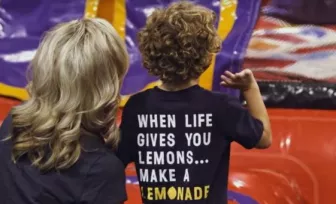
Cerebral Palsy & Cord Blood
Cerebral Palsy & Cord Blood
Brady used his own cord blood in a cerebral palsy clinical trial after complications at birth.


Inside ViaCord
Get a glimpse of ViaCord's processing and storage lab at work and see what drives our decades-long experience.
- Image
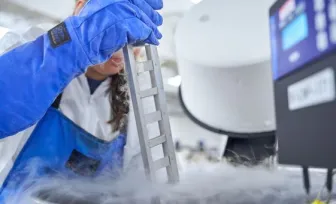
ViaCord's Processing & Storage Lab
How It Works
From collection kit arrival to stem cell cryopreservation, experience the processing and storage journey at ViaCord's FDA approved, CLIA Certified, and AABB Accredited lab.
- Image
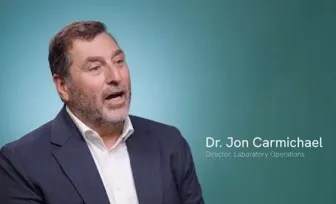
Our Commitment to Families
Our Commitment to Families
Dr. John Carmichael, Director of Laboratory operations, shares how our decades of experience reflect our commitment to quality, innovation, and the families we serve.


Image

Sibling Stem Cell Donor Program
ViaCord's Sibling Connection Program ensures a potential cord blood stem cell resource is readily available, if needed. Expecting parents who have a child diagnosed with a condition that is currently treatable with a full sibling's cord blood transplant can receive:
Free cord blood collection, processing, and storage.
Lifetime cord blood storage (78 years) at no cost.
~80 Eligible Diagnoses
Nearly 10,000 Families Joined
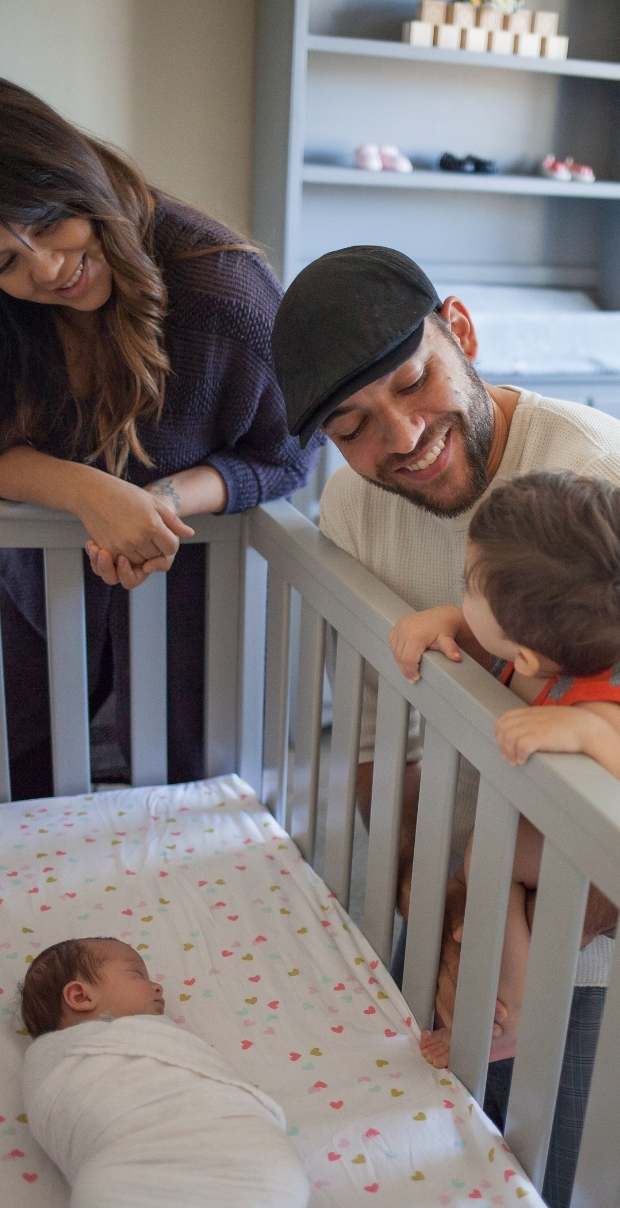
Healthcare providers play a crucial role in guiding families through pregnancy, offering support as they make important choices. ViaCord may be one of those choices. We appreciate you taking the time to explore our services and learn more about ViaCord.
1. HSCs are “blood forming cells” that can develop into red blood cells, white blood cells, and platelets. National Cancer Institute NCI Dictionaries; Dictionary of Cancer Terms Hematopoietic Stem Cells https://www.cancer.gov/publications/dictionaries/cancer-terms/def/hematopoietic-stem-cell
2. Cord blood provides an easy and non-invasive way to secure HSCs, unlike other sources such as bone marrow. Laue J, Ambühl J, Surbek D. Hybrid umbilical cord blood banking: literature review. Arch Gynecol Obstet. 2024 Jan;309(1):93-104. doi: 10.1007/s00404-023-07003-x. Epub 2023 Apr 24. PMID: 37093267; PMCID: PMC10124678.https://pmc.ncbi.nlm.nih.gov/articles/PMC10124678/#:~:text=There%20are%20several%20advantages%20of,)%20%5B5%2C%206%5D
3.Cord blood stem cells have been used in stem transplants for over 35 years, since the first cord blood transplant in 1988. Marcus Center Duke University; Cord Blood Facts - History of Cord Blood https://marcuscenter.duke.edu/carolinas-cord-blood-bank/cord-blood-facts/history-cord-blood
4. A physician will typically look for a family member as the first source of donated stem cells for a stem cell transplant. Texas Children’s; The stem cell transplant donorhttps://www.texaschildrens.org/content/conditions/stem-cell-transplant-donor
5. Siblings provide the best chance of finding a perfectly matched related source of stem cells due to shared genetics. National Donor Marrow Program (NMDP) Network HLA typing for family members https://network.nmdp.org/services-support/hematology-oncology/programs-guidelines/hla-typing-for-family-members